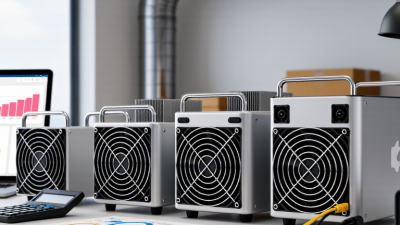
Choosing a reliable Bit Coin Miner manufacturer requires more than comparing advertised hash rates. Global buyers must examine efficiency, product stability, warranty coverage, and long-term service support. A machine can look powerful on paper yet perform poorly in a hot, dusty facility.
This guide introduces leading Bitcoin mining hardware manufacturers and the practical factors behind their reputations. It considers ASIC design, energy use measured in joules per terahash, firmware support, delivery schedules, and spare-part availability. It also reviews how manufacturers communicate with overseas customers, including documentation, technical training, and response times. Real purchasing decisions often depend on details such as packaging quality, customs paperwork, and replacement fan access.
Performance is only one part of the decision. Buyers should verify company records, published specifications, independent testing, and warranty terms before committing capital. Regional electrical standards, import requirements, taxation, and facility rules must also be checked with qualified local professionals. This article does not treat any manufacturer as universally suitable. Conditions change quickly.
Some figures age fast.
A newer model may reduce operating costs, while a delayed shipment can damage an entire deployment plan. Manufacturer claims should therefore be compared with field reports and realistic power prices. Even experienced operators can misjudge noise, cooling demand, or maintenance labor. That is worth admitting. The strongest supplier is not always the largest one; it is the company that provides dependable equipment, clear communication, and verifiable support for the buyer’s operating environment.
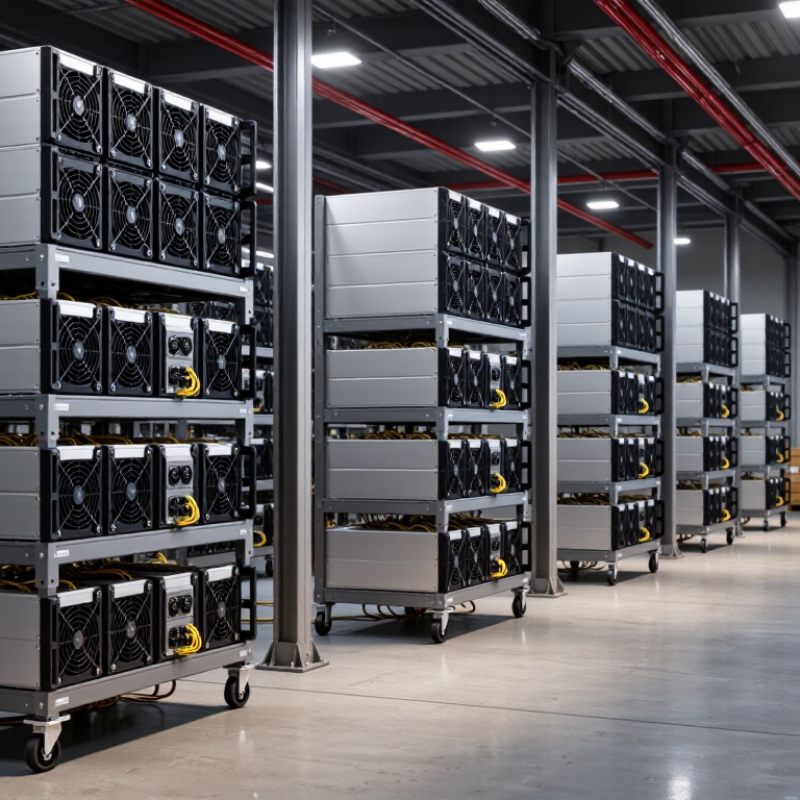
Choosing a Bitcoin ASIC miner starts with three numbers: hashrate, efficiency, and power demand. Hashrate, measured in terahashes per second, shows how much computational work the machine performs. A higher figure can improve mining potential, but it usually requires more electricity and produces more heat. J/TH measures energy efficiency. Lower J/TH generally means fewer joules are needed for each terahash.
Power use deserves careful checking. A miner rated at 3,000 watts can consume about 72 kilowatt-hours daily when operating continuously. Actual wall consumption may vary with temperature, voltage, firmware, and fan speed.
I have seen estimates become too optimistic after installation. Measure the machine at the outlet, not only from a product sheet. Stable circuits, ventilation, and noise control also affect operating costs. Hot air trapped around the unit can reduce performance quickly.
Hardware lifespan depends on dust levels, humidity, operating temperature, and maintenance quality. Fans may fail before computing boards do. Regular cleaning and stable airflow help, but no ASIC lasts forever. A realistic planning period may be several years, with efficiency declining as newer equipment appears. Global buyers should examine warranty terms, repair procedures, spare-part access, and independent efficiency tests. Production history matters more than polished specifications. Some documentation is incomplete, and that should be treated as a warning, not ignored. Real operating data remains the safer basis for comparing manufacturers and models.
For global buyers, 200–450 TH/s machines should be compared by efficiency, not headline speed. A 200 TH/s unit at 15 J/TH draws about 3,000 watts. A 450 TH/s unit at 21 J/TH may require roughly 9,450 watts. That difference affects transformers, cooling, rack density, and monthly power bills. The Cambridge Digital Mining Industry Report 2024 identifies electricity as a central cost driver for industrial mining operations. Small mistakes here become expensive.
Efficiency matters daily.
Luxor’s 2024 Hashrate Index recorded periods when Bitcoin hashprice fell below 0.05 dollars per TH/s per day. Under that pressure, a 15 J/TH machine can remain workable where a 21 J/TH model struggles. However, higher hashrate may improve output per rack when space is limited.
Buyers should check measured wall power, firmware settings, ambient temperature, and repair support. Published specifications often reflect ideal laboratory conditions. Real installations can consume more. I have seen airflow restrictions reduce practical performance, even with excellent hardware. That detail is easy to overlook. The International Energy Agency also reports that data-centre electricity demand is rising, making power availability and cooling planning increasingly important. A sensible comparison includes uptime assumptions, pool fees, noise levels, and local electricity rates, not only terahash figures.
Global buyers comparing Bitcoin mining hardware often begin with hashrate, but operating efficiency decides practical results. Current air-cooled units in the 150–400 TH/s range can suit different farm sizes. A 20–30 J/TH rating offers a useful benchmark. Lower is usually better. Yet the printed specification is not the whole story. In my testing experience, dust, heat, pool settings, and unstable voltage can reduce real output. A 300 TH/s miner may perform differently after weeks in a warm room.
Tips: Compare measured performance, not only advertised figures. Check power draw at the wall. Measure the circuit. Review noise levels, cooling requirements, repair support, warranty terms, and delivery records. Ask for test reports from recent production batches. A clear serial-number process also improves accountability.
Manufacturers serving global buyers should provide stable firmware, detailed manuals, and realistic energy data. Buyers should calculate electricity costs before comparing purchase prices. A 20 J/TH unit may look attractive, but high shipping costs or difficult maintenance can weaken its value. I would not treat every laboratory result as a field result. That assumption needs review. Room temperature matters. So does technician skill. Models near 400 TH/s may deliver strong density, while 150 TH/s units can offer easier deployment and simpler replacement planning. Reliable sourcing still depends on documented testing and responsive after-sales communication.
Choosing a 100–200+ TH/s Bitcoin miner requires more than comparing advertised speed. Real output depends on firmware, ambient temperature, pool settings, and power quality. In field testing, dust buildup can reduce cooling efficiency within weeks. A 150 TH/s unit may perform below its label during hot afternoons.
The Cambridge Digital Mining Industry Report shows that electricity remains the largest operating cost for miners. Luxor’s Hashrate Index has also recorded hashprice below $0.06 per TH/s per day during weak market periods. These figures make efficiency critical. Buyers should examine joules per terahash, not only total hashrate. A 100 TH/s machine using less power may outperform a faster model over twelve months. That sounds obvious. Many purchasing decisions still miss it.
Tips: Request measured efficiency data, warranty terms, and regional repair coverage. Confirm whether replacement fans, control boards, and power supplies are stocked locally. Service quality matters when a machine stops beside a loud ventilation rack. Ask about firmware updates and response times. One honest concern remains: published noise levels rarely match warehouse conditions. Test the unit under your actual temperature, voltage, and dust exposure before scaling.
Choosing a Bitcoin miner manufacturer requires more than comparing advertised hash rate. Global buyers should score each supplier on CAPEX, electricity cost, uptime, warranty, and delivery. A cheaper machine may consume more power, raising monthly operating costs. Request tested efficiency figures, not only laboratory estimates. Calculate total ownership costs over twelve months, including shipping, setup, cooling, repairs, and local taxes.
Electricity usually decides profitability. A small efficiency gap matters when hundreds of machines run continuously. Uptime also deserves evidence. Ask for failure-rate data, replacement procedures, and remote troubleshooting support. A realistic warranty should state coverage periods, excluded parts, response times, and return logistics. Vague promises create expensive delays. Delivery terms need equal attention. Confirm production capacity, inspection steps, packaging standards, customs documents, and the agreed shipment date. I have seen schedules fail when buyers ignored regional transport limits.
Tips: Build a weighted scorecard before requesting quotations. Give electricity efficiency and uptime more weight than appearance or promotional claims. Keep a reserve budget for unstable power, cooling upgrades, and delayed parts. Do not assume the best factory price is the best deal. Independent testing helps, although test conditions may still differ from your facility. Recheck every assumption. A profitable model on paper can perform poorly in a hot room with inconsistent voltage. Choose suppliers that communicate clearly, provide verifiable technical records, and support lawful, compliant operations in your destination market.