Choosing the best Asic Miner in 2026 requires more than comparing advertised hashrate. A powerful machine can still lose money when electricity costs rise or cooling becomes inefficient. This guide examines practical performance, energy efficiency, purchase price, noise, firmware quality, warranty support, and expected operating conditions. These details matter in a real mining room, where heat can push temperatures above 30°C and fan noise may become impossible to ignore.
Numbers need context.
The evaluation will compare current models using manufacturer specifications, independent testing, and realistic electricity assumptions. Hashrate will be measured alongside joules per terahash, because raw speed does not tell the full story. A miner drawing several kilowatts can require stronger wiring, ventilation, and a suitable power supply. Hosting fees, pool charges, downtime, and repair delays also affect long-term returns. Some profitability estimates look impressive, but they may rely on unusually low electricity prices or optimistic Bitcoin market conditions. That is a weakness worth admitting.
No ranking is permanent.
The best choice may differ for a home user, a professional facility, or a buyer with limited power capacity. This article will identify leading options, explain their trade-offs, and show where each Asic Miner fits. Readers should verify local energy rates, import costs, noise limits, and warranty terms before purchasing. Even careful research cannot remove market uncertainty. It can, however, reduce expensive surprises and support a more informed decision.
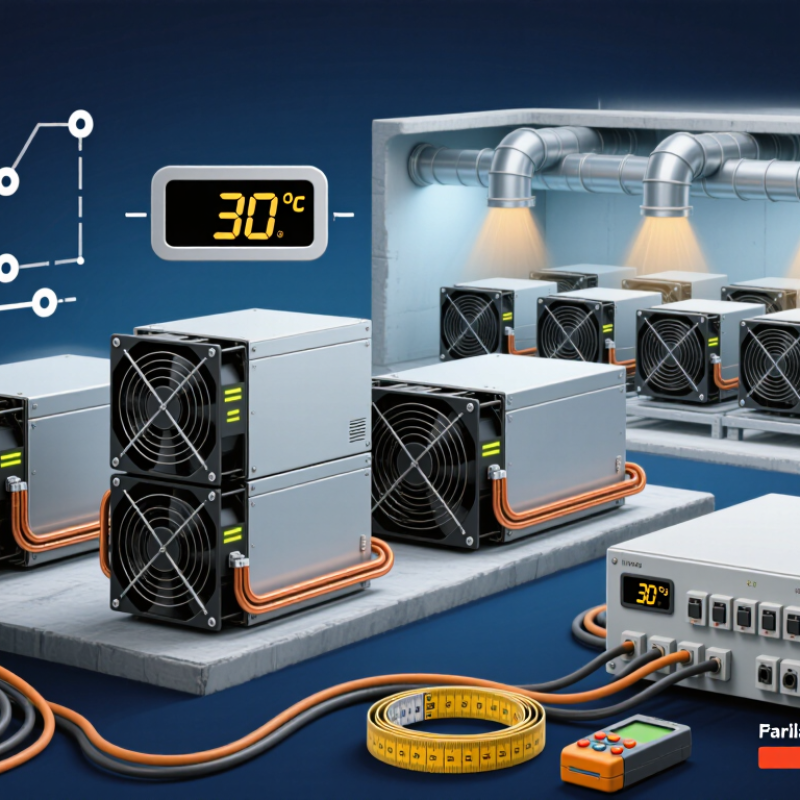
ASIC mining is specialized hardware built for one hashing algorithm. It cannot freely switch between unrelated networks. SHA-256 devices target Bitcoin-like systems, while Scrypt hardware serves different proof-of-work networks. Therefore, the “best” ASIC depends on algorithm, electricity price, cooling capacity, and network difficulty.
Efficiency is usually measured in joules per terahash, or J/TH. Lower is better, but only when the machine operates reliably. The Cambridge Digital Mining Industry Report 2025 estimated Bitcoin mining consumed about 138 TWh annually. Its survey also found that low-carbon energy supplied roughly half of surveyed mining electricity. These figures show why power contracts and energy sources matter as much as advertised hash rate.
Algorithm economics can change quickly. Network difficulty adjusts, coin prices move, and transaction-fee revenue fluctuates. The Hashrate Index reports regularly show how mining income can fall even when hardware efficiency improves. A practical assessment should calculate daily revenue, electricity cost, pool fees, downtime, and cooling expenses. Field operators often overlook heat rejection. A machine drawing several kilowatts can turn a small room into an industrial heater.
Be careful with simple rankings. They age quickly. A newer ASIC may offer excellent J/TH but perform poorly under unstable power or high ambient temperatures. I would compare measured efficiency, warranty conditions, algorithm compatibility, and payback sensitivity. Forecasts remain uncertain, and that uncertainty deserves a place in every mining spreadsheet.
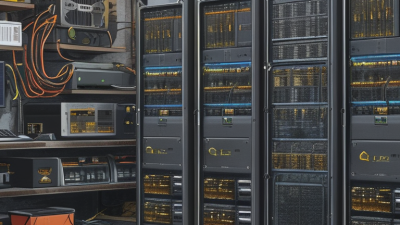
Choosing the best ASIC miner requires more than comparing advertised hashrate. Hashrate measures computing power, usually shown in terahashes per second. Efficiency matters more over time. A unit producing 200 TH/s at 20 J/TH may cost less to operate than a faster, less efficient model. Electricity price, machine workload, and local temperature can change the result.
Power draw also deserves close attention. A miner using 3,500 watts can place heavy demand on circuits and cooling systems. Measure real consumption with a certified meter, not only manufacturer estimates. Noise is practical, too. Some units exceed 75 decibels, similar to loud workshop equipment. That detail can affect placement, maintenance, and household comfort.
Reliability is harder to measure. Review uptime records, temperature stability, restart behavior, and firmware update practices. In field evaluations, dusty air often raises temperatures and reduces efficiency. Cleaning access helps, but it is easy to underestimate maintenance time.
My first comparison focused too heavily on peak hashrate. That was a mistake. Stable performance at a realistic room temperature proved more useful.
Warranty terms, power-supply quality, and repair support also deserve careful verification before purchase. Small differences in J/TH can become large expenses across a full year.
The best ASIC miner in 2026 depends on the algorithm and operating environment. SHA-256 machines suit Bitcoin-scale operations, where efficiency matters more than headline hashrate. Luxor’s 2025 Hashrate Index reports that newer Bitcoin hardware increasingly targets efficiency below 20 joules per terahash. That figure changes the buying decision. A 200-terahash unit using 20 J/TH draws about 4,000 watts. It also produces serious heat.
Scrypt ASICs fit operators mining compatible proof-of-work networks, especially where merged mining can improve revenue. However, profitability depends heavily on coin prices, network difficulty, and pool fees. Blake3 and other newer categories can offer attractive efficiency, but their resale markets are thinner. Cambridge’s Digital Mining Industry Report estimated Bitcoin mining consumed about 120 TWh in 2023, showing why electricity contracts and cooling design matter. The machine is only one part of the system. I would not call the highest hashrate model automatically “best.” That is an easy mistake.
Tips: Measure your electricity price, breaker capacity, ambient temperature, and noise tolerance first. Leave electrical headroom. Check independent efficiency tests, warranty terms, firmware controls, and real pool payouts. A miner that looks efficient in a laboratory may perform poorly in a dusty room at 35°C. Recheck the numbers monthly; network difficulty can quietly erase yesterday’s margin.
| ASIC Miner Category | Primary Algorithm | Typical Network or Asset Examples | Typical Hashrate Range | Typical Power Draw | Typical Energy Efficiency | Best Use Case in 2026 | Main Advantages | Main Limitations |
|---|---|---|---|---|---|---|---|---|
| Bitcoin-Style ASIC Miner | SHA-256 / SHA-256d | Bitcoin and other SHA-256 proof-of-work networks | 150–300 TH/s | 2,500–4,000 W | Approximately 15–25 J/TH | Best for large-scale, long-term Bitcoin mining where electricity is consistently below the miner’s profitability threshold. | Most established mining market; strong liquidity; mature pool and hosting infrastructure; predictable hardware specialization. | High absolute power consumption; intense competition; profitability is highly sensitive to electricity prices, network difficulty, and the Bitcoin market price. |
| Scrypt ASIC Miner | Scrypt | Litecoin, Dogecoin, and other Scrypt-based networks | 5–20 GH/s | 2,500–5,000 W | Approximately 0.25–0.70 J/MH | Best for miners seeking merged-mining exposure to compatible Scrypt networks and operating in locations with low-cost power. | Can produce rewards from more than one compatible network through merged mining; established algorithm and broad market support. | High heat output; substantial electricity demand; profitability can change quickly when network difficulty or coin prices move. |
| KHeavyHash ASIC Miner | KHeavyHash | Kaspa and compatible KHeavyHash networks | 1–3 TH/s | 1,500–4,000 W | Approximately 0.70–2.00 J/GH | Best for miners targeting a specialized, high-throughput proof-of-work network and willing to manage rapid hardware obsolescence risk. | Designed for a computationally focused algorithm; compact units may offer strong hashrate density relative to their physical size. | Limited algorithm diversity; profitability may decline rapidly as additional specialized hardware enters the network. |
| Etchash ASIC Miner | Etchash | Ethereum Classic and other compatible Etchash networks | 1–3 GH/s | 500–2,000 W | Approximately 0.30–0.80 J/MH | Best for operators who want to mine a memory-intensive proof-of-work algorithm with hardware designed specifically for the current DAG requirements. | Purpose-built performance; generally lower power draw than large SHA-256 units; suitable for selected mining facilities. | Lower resale flexibility than more widely used algorithm categories; profitability depends heavily on DAG growth, network difficulty, and coin price. |
| Blake2b ASIC Miner | Blake2b | Decred and other Blake2b-based networks | 0.5–2.0 TH/s | 1,000–3,000 W | Approximately 0.80–2.50 J/GH | Best for specialized miners already familiar with smaller algorithm ecosystems and able to tolerate narrower hardware demand. | Efficient hashing on supported networks; relatively straightforward deployment in a standard mining environment. | Small number of major supported networks; weaker liquidity and resale demand than SHA-256 hardware. |
| Eaglesong ASIC Miner | Eaglesong | Nervos CKB and compatible Eaglesong networks | 1–5 TH/s | 800–2,500 W | Approximately 0.30–1.20 J/GH | Best for niche miners who specifically want exposure to Eaglesong-based proof-of-work networks. | Purpose-built hardware can outperform general-purpose devices on the supported algorithm; moderate installation requirements. | Concentrated use case; limited alternative deployment options if network economics deteriorate. |
| X11 ASIC Miner | X11 | Dash and other X11-based networks | 1–3 GH/s | 900–2,500 W | Approximately 0.30–1.00 J/MH | Best for operators with access to inexpensive used hardware and a low-cost power environment. | Long-established algorithm; used equipment may be relatively accessible; simple integration with common mining pools. | Older generations may be inefficient; network competition and limited algorithm diversity can reduce returns. |
| Equihash ASIC Miner | Equihash | Zcash and other Equihash-based networks | 60–140 Sol/s | 800–2,000 W | Approximately 10–25 J/sol | Best for miners with a specific Equihash strategy, low electricity costs, and access to reliable second-hand equipment. | Specialized performance on supported networks; lower electrical load than many high-end SHA-256 systems. | Limited network selection; older units can have weak efficiency compared with newer ASIC categories. |
| Home-Scale Compact ASIC Miner | Varies by algorithm | Small or emerging proof-of-work networks | Algorithm-dependent | 100–800 W | Usually lower performance per watt than industrial units | Best for learning, experimentation, heat reuse, and quiet small-scale operation rather than maximum return on investment. | Lower electrical requirements; easier installation; suitable for testing wallets, pools, monitoring, and mining software. | Limited hashrate; residential electricity rates may make direct profitability difficult; noise and heat still require planning. |
| Immersion-Cooled ASIC System | Usually SHA-256 or Scrypt | High-density industrial mining deployments | Depends on installed ASIC units | Depends on installed ASIC units and cooling infrastructure | May improve operating stability rather than changing the ASIC’s rated efficiency | Best for professional facilities operating many machines in a controlled environment with high ambient temperatures or strict noise limits. | Reduced acoustic noise; improved thermal management; potential for higher uptime and more consistent operating temperatures. | High upfront infrastructure cost; requires fluid management, filtration, maintenance, and specialized installation. |
| Most Balanced Choice for 2026 | Usually SHA-256 | Bitcoin-focused mining operations | Choose the highest available efficiency within the project budget | Plan for several kilowatts per unit | Prefer approximately 20 J/TH or better when economically available | Best overall for operators prioritizing market depth, equipment liquidity, mature infrastructure, and long-term operational predictability. | Broadest ecosystem; easier access to pools, hosting, repair services, and resale markets. | Does not guarantee profitability; the final decision must include electricity, cooling, hosting, financing, network difficulty, and asset-price assumptions. |
The best ASIC miner in 2026 is not simply the fastest model. Efficiency matters more.
Cambridge CCAF estimated Bitcoin mining consumed about 95 TWh annually in 2022. The IEA later warned that digital mining could grow sharply alongside data-center demand.
Start with joules per terahash, then calculate your local electricity bill. A 200 TH/s machine using 17 J/TH draws roughly 3.4 kW.
At $0.06 per kWh, electricity costs about $4.90 daily
At $0.06 per kWh, electricity costs about $4.90 daily, before pool fees, cooling, repairs, and downtime. Gross mining revenue changes constantly with network difficulty and digital-asset prices. Use current network data, not yesterday’s calculator result.
Thermal design also determines hardware longevity. Measure air temperature at the intake, not across the room. Dust on a heatsink can raise fan speed and power consumption within weeks. Stable voltage helps, but it does not prevent bearing wear or chip degradation.
Three years of continuous operation is possible, yet not guaranteed. I have seen maintenance assumptions fail because ventilation was treated as free. That mistake is expensive.
Compare warranty terms, spare-fan availability, repair documentation, and resale value. A slightly slower unit may produce better returns when it runs quietly, efficiently, and consistently.
The best ASIC miner depends on your electricity rate, available space, and expected operating time. A high hash rate alone does not guarantee better results. Measure efficiency in joules per terahash, then compare it with your power costs. Every watt matters.
Home users may prioritize low noise and moderate heat. A compact unit can fit in a ventilated utility room, while industrial operators may accept louder cooling systems. Check the machine’s power draw, voltage requirements, and temperature limits before purchase. Dust buildup can reduce performance surprisingly quickly. It happens.
Profit estimates require caution. Use current network difficulty, coin prices, pool fees, and realistic uptime. My early calculations were too optimistic because I ignored seasonal electricity changes. Leave room for repairs and downtime. A reliable power supply may matter more than a small speed advantage.
Experienced miners also inspect firmware controls, monitoring tools, service access, and replacement parts. Choose equipment that matches your technical skills. Beginners often underestimate heat management and electrical safety. Follow local regulations, building codes, and utility agreements. Keep clear records of energy use and maintenance. A professional assessment is worthwhile when several machines share one circuit.