Ultimate Guide to Choosing the Best Asic Miner for Your Needs?
Choosing the right ASIC miner is crucial in today’s cryptocurrency landscape. As of 2023, the Bitcoin mining industry has reached a market value of over $20 billion. This figure underscores the immense potential of ASIC miners. However, with numerous options available, making the right choice can be daunting.
ASIC miners vary significantly in performance and efficiency. In recent reports, the Bitmain Antminer S19 Pro offers a hash rate of 110 TH/s, positioning it as a top contender. But, factors like electricity costs and initial investment require careful consideration. It’s essential to evaluate not just the specs but also the long-term viability of the equipment.
Choosing an ASIC miner isn't just about raw specs. The overall efficiency, cooling solutions, and brand reputation all play critical roles. The market is full of misinformation. Thus, relying on credible sources and expert insights is vital. Making an informed decision can be the difference between significant returns or losses in this competitive environment.
Factors to Consider When Choosing an ASIC Miner
Choosing the right ASIC miner involves several crucial factors. First, consider hash rate performance. A higher hash rate means better mining efficiency. However, more power usage comes with that advantage. Evaluate the power consumption of each model carefully. It could significantly affect your operating costs over time.
Another critical factor is the miner's cooling system. ASIC miners generate substantial heat, and inadequate cooling can lead to hardware failure. Look for miners with robust cooling solutions. This is essential for maintaining optimal performance. Regularly cleaning the cooling system can help maintain efficiency.
Tips: Always assess the resale value of the ASIC miner. The cryptocurrency market fluctuates, and some models may depreciate faster than others. Research user reviews and durability ratings. User feedback can provide insights into reliability. Additionally, consider your electricity costs. It’s vital to ensure that your investment remains profitable.
ASIC Miner Performance Comparison
This chart compares the hash rates and power consumption of different ASIC miners based on common performance metrics. Choosing the right ASIC miner involves considering both the efficiency and cost-effectiveness of the hardware. Below are some example metrics that can guide your selection process.
Types of ASIC Miners Available in the Market
When exploring the types of ASIC miners available, understanding the landscape is crucial. ASIC miners are specialized devices designed for cryptocurrency mining. They outperform GPUs in efficiency and power consumption. According to recent industry reports, the market for ASIC miners is projected to grow significantly, reaching a valuation of over $1 billion by 2025.
There are various types of ASIC miners, categorized by their hashing algorithms. For example, SHA-256 miners are primarily used for Bitcoin mining. These miners typically provide high hash rates and energy efficiency. Conversely, Scrypt miners are often employed for Litecoin. They have unique performance metrics, making them suitable for different cryptocurrencies. As per the latest data, SHA-256 miners achieve around 30 TH/s, while Scrypt miners tend to hover around 500 MH/s.
Choosing the right ASIC miner requires consideration of factors such as power consumption, hash rate, and initial investment. Some miners may promise high efficiency, but they might not deliver as expected. Reports suggest that high electricity costs can eat into profits, making ROI calculations essential. Investors should be cautious; not all miners are created equal, and performance can vary widely. Each choice carries potential risks and opportunities.
Ultimate Guide to Choosing the Best Asic Miner for Your Needs
| ASIC Miner Model |
Hash Rate (TH/s) |
Power Consumption (W) |
Efficiency (J/TH) |
Price Range ($) |
| Model A |
110 |
3500 |
31.82 |
2000 - 2500 |
| Model B |
90 |
3200 |
35.56 |
1500 - 2000 |
| Model C |
100 |
3100 |
31.00 |
1800 - 2300 |
| Model D |
80 |
2900 |
36.25 |
1300 - 1700 |
Evaluating Mining Efficiency and Power Consumption
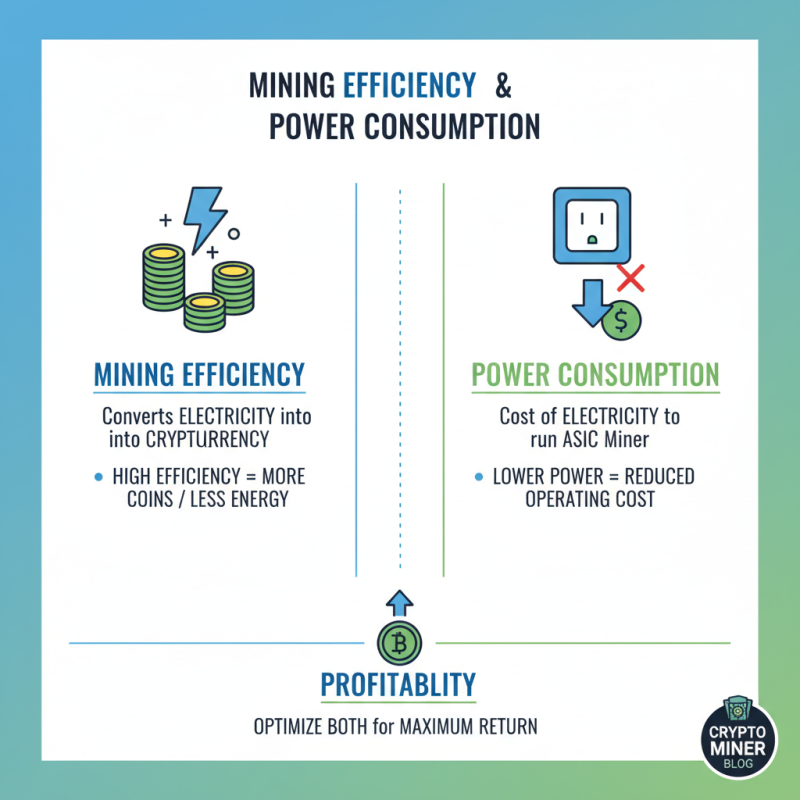
When selecting an ASIC miner, mining efficiency and power consumption are crucial factors. Understanding how these elements impact profitability is essential for any aspiring miner. Mining efficiency refers to how effectively a miner converts electricity into cryptocurrency. High efficiency means more coins for less energy, making it a top priority when making a selection.
Power consumption, on the other hand, directly affects operational costs. A miner with lower power usage may have a higher upfront cost, but it can lead to significant savings over time. It's important to calculate the long-term electricity expenses based on your local rates. Many potential miners overlook this aspect and face unpleasant surprises when bills arrive. Keeping a close eye on energy use ensures that profits stay intact.
In addition to efficiency and power, consider the miner's cooling requirements. An effective cooling system prolongs hardware life and maintains optimal performance. Though it may seem like an added cost upfront, a well-cooled miner can save you money in repairs. Investors must constantly evaluate their choices, balancing initial investment with long-term return on investment. Mistakes in this area can lead to regret after setup.
Understanding Hash Rates and Their Importance
Hash rate is a critical factor when choosing an ASIC miner. It represents the miner's computational power and efficiency. Higher hash rates lead to increased chances of solving blocks and earning rewards. A recent report by CoinDesk noted that ASIC miners with higher hash rates saw a productivity boost of over 25% in 2023.
When selecting an ASIC miner, look closely at the hash rate specifications. Each miner's hash rate can vary widely. For instance, some models may achieve up to 110 TH/s, while others rank considerably lower. The efficiency of these miners is equally important, measured in watts per terahash (W/TH). A more efficient miner consumes less energy, reducing overall operational costs.
Tips: Always evaluate the energy costs in your region. Higher electricity prices can negate the benefits of a high hash rate.
It's also vital to consider the miner's longevity. Many ASIC miners have a diminishing hash rate over time due to wear and tear. Regular maintenance can help extend their lifespan, yet this requires careful management. In reality, not every miner performs as expected in varied conditions, causing uncertainty in profit predictions. Make sure to stay informed about the latest technologies and developments in ASIC mining. This will help you make better choices for your mining operations.
Budgeting for Your ASIC Miner Purchase and Maintenance Costs
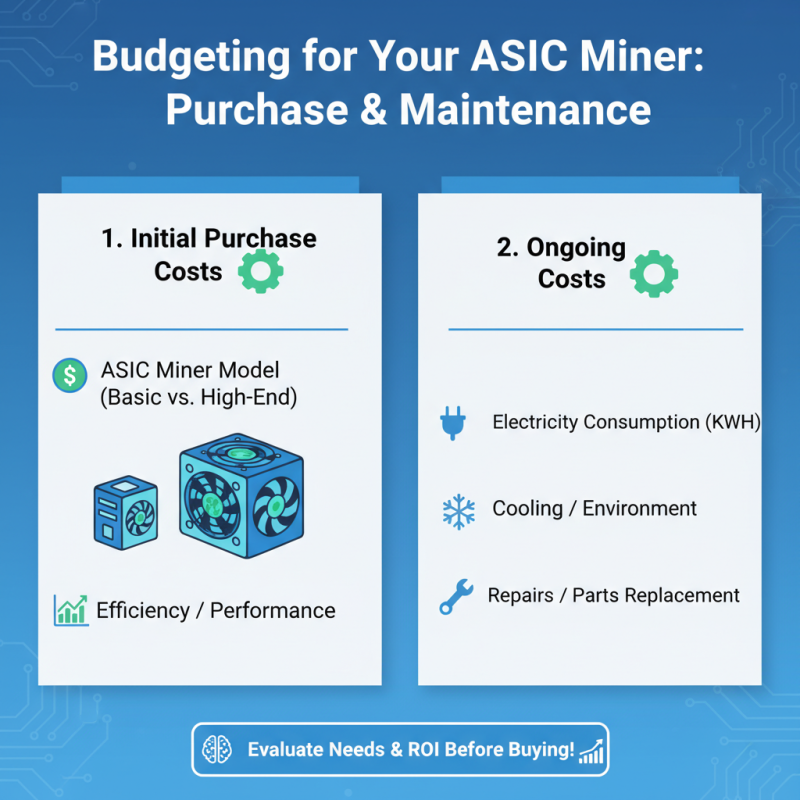
When budgeting for an ASIC miner purchase, there are multiple factors to consider. The initial cost can vary significantly depending on the model you choose. Basic units are often more affordable, but higher-end models provide greater performance and efficiency. It's essential to evaluate your needs before making a decision.
Maintenance costs also play a crucial role in your overall budget. ASIC miners require regular upkeep to ensure optimal performance. This may include cooling solutions, replacement parts, and electricity costs. A poorly maintained unit can lead to unexpected expenses, impacting your profitability.
**Tip:** Set aside a portion of your budget for regular maintenance. This can save you money in the long run.
Be prepared for fluctuating energy prices, as they directly affect your operating costs. Inefficient miners may lead to increased electricity bills, which can eat into your profits. Understanding the total cost of ownership will give you a clearer picture of your investment.
**Tip:** Research energy-efficient models to minimize costs. This can significantly enhance your ROI over time.