Top Factors Influencing the Efficiency of Bitcoin Miners?
As the cryptocurrency landscape evolves, understanding the efficiency of Bitcoin miners becomes critical. Industry expert Dr. Laura Chen, a renowned blockchain analyst, states, "Efficiency in Bitcoin mining is vital for profitability and sustainability." This highlights the importance of exploring key factors that impact the performance of Bitcoin miners.
Bitcoin miners operate in a complex environment influenced by several variables, including energy costs, hardware efficiency, and network difficulty. These miners rely on specialized equipment that requires substantial power. A shift in energy prices or hardware capability can dramatically affect their operations. Without embracing efficiency, many miners risk becoming obsolete.
Moreover, the Bitcoin mining industry faces challenges, such as environmental concerns related to energy consumption. While miners strive for greater efficiency, there is an ongoing debate about the industry's sustainability. This raises questions about the long-term viability of Bitcoin mining and its implications for both miners and the wider community. As the industry continues to grow, adapting to these dynamics will be crucial for every Bitcoin miner.

Key Components of Bitcoin Mining Efficiency
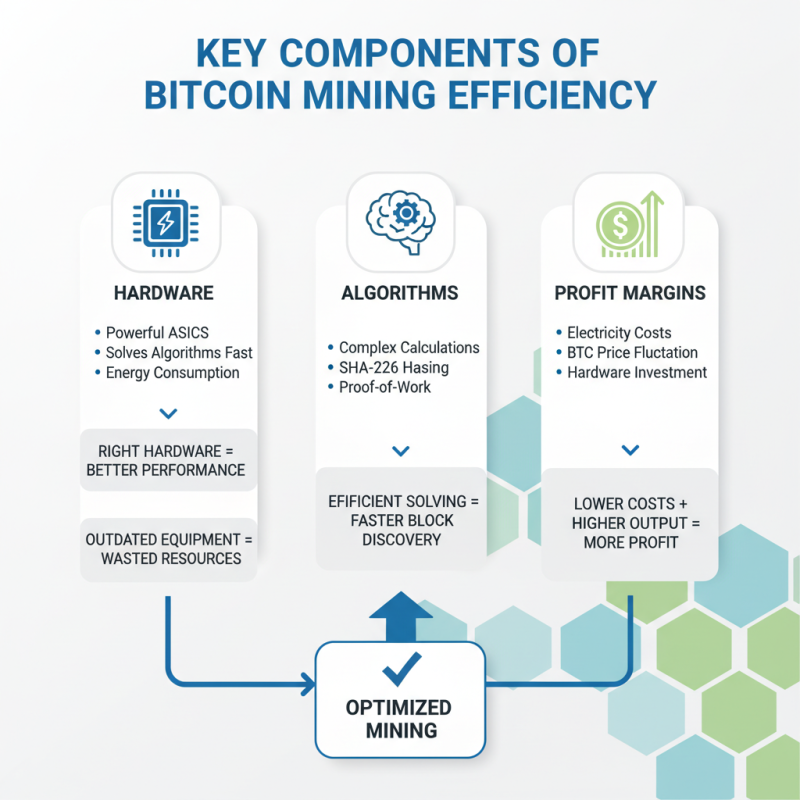
When examining the efficiency of Bitcoin mining, key components come into play. The hardware used is crucial. Miners require powerful ASICs that can solve complex algorithms quickly. These devices consume a lot of energy, impacting profit margins. Choosing the right hardware can lead to better performance. However, selecting outdated equipment can result in wasted resources.
Energy efficiency is another significant factor. Miners must evaluate their electricity sources. Using renewable energy options can lower costs and enhance sustainability. Many operations overlook this aspect, focusing solely on speed. This short-sightedness can obstruct long-term viability. Additionally, the cooling systems employed affect overall efficiency. Poor cooling can lead to overheating, damaging equipment and halting operations.
Network latency also deserves attention. A miner's connection to the blockchain is vital. Higher latency can delay transaction processing, reducing effectiveness. This often gets ignored in mining setups, leading to lost opportunities. Balancing all these factors is not straightforward. Each miner must make informed decisions to optimize their operations effectively. Exploring different strategies can yield varying results.
Impact of Hardware Specifications on Mining Performance
The efficiency of Bitcoin miners heavily relies on hardware specifications. The type of equipment used can significantly influence performance. High hash rates lead to more successful blocks being mined. Miners often upgrade to newer models to stay competitive. These upgrades can be costly but may yield higher returns.
Power consumption is another critical factor. Some miners prioritize energy-efficient designs. However, balancing efficiency and performance is challenging. A miner may find that a powerful machine consumes too much electricity, reducing profits. Thus, the choice of hardware affects both speed and cost.
Cooling systems also play a role in mining efficiency. Adequate cooling can extend hardware lifespan. Overheating components can lead to failures and downtime. Miners often overlook this aspect, leading to potential losses. Ultimately, selecting the right hardware involves weighing immediate performance against long-term reliability.
Role of Electricity Costs in Bitcoin Mining Profitability
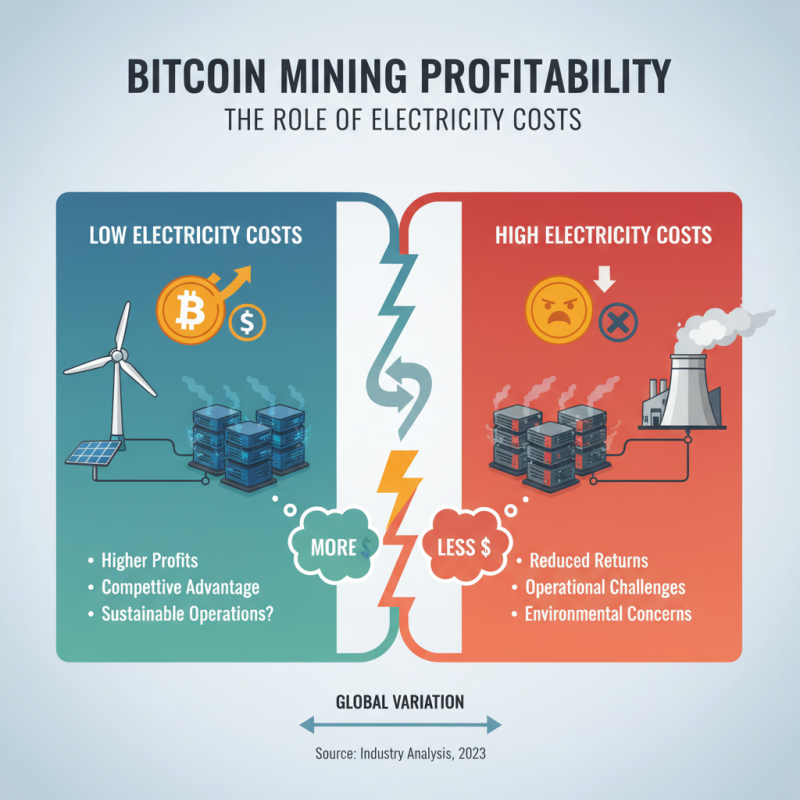
Electricity costs are a significant factor in the profitability of Bitcoin mining. Miners must invest heavily in energy to operate powerful computers. The cost of electricity varies globally, impacting miners' bottom lines. In regions with low energy prices, miners can profit more easily. Conversely, high electricity costs can diminish returns.
Efficiency in mining often depends on energy consumption. Miners seek to optimize their operations to reduce costs. Many use renewable energy sources, such as solar or wind power. This can lower expenses and enhance sustainability. However, the initial setup for these alternatives can be expensive and complicated. Not all miners have access to these resources.
Another consideration is the fluctuating nature of energy markets. Prices can rise unexpectedly, affecting profit margins. Miners need to be flexible and adjust to these changes. Additionally, operational inefficiencies can lead to wasted resources. Regular maintenance and upgrades are crucial. However, these can also add to overall costs. Balancing these aspects remains a challenge.
Influence of Mining Pool Strategies on Overall Efficiency
Mining pools play a critical role in the efficiency of Bitcoin miners. By combining their resources, miners can increase their chances of solving blocks. This collective effort leads to more consistent rewards than working alone. Furthermore, mining pool strategies vary widely. Some pools focus on maximizing payouts, while others prioritize stability. The choice of strategy can significantly impact a miner's earnings.
The configuration of a mining pool significantly influences overall efficiency. Pools that implement effective load balancing can optimize computational power across miners. This ensures that no single miner is overloaded. However, not all pools succeed in this regard. Some may experience technical issues or delays, leading to inefficiencies. Miners need to critically assess pool performance before joining.
In addition, factors like fee structures and reward distribution methods shape a pool's effectiveness. High fees can eat into profits, while equitable reward sharing promotes loyalty among members. Yet, some miners may find themselves dissatisfied with reward systems that favor larger contributors. Reflecting on these aspects is crucial for maximizing mining profitability. Miners should stay informed and adaptable to shifting strategies and technologies in the Bitcoin mining landscape.
Factors Influencing the Efficiency of Bitcoin Miners
This chart illustrates the factors influencing the efficiency of Bitcoin miners. Each factor is given an efficiency score, highlighting the impact of Pool Size, Hashrate, Electricity Cost, Hardware Efficiency, and Network Difficulty on mining performance.
Environmental Considerations in Bitcoin Mining Operations
In the evolving landscape of Bitcoin mining, environmental concerns have gained considerable attention. Mining requires vast amounts of energy, with the Cambridge Center for Alternative Finance estimating that Bitcoin mining consumes around 130 terawatt-hours annually. This level of energy consumption raises questions about the sustainability of the operations.
A significant portion of this energy comes from fossil fuels. A recent report by the International Energy Agency (IEA) indicates that approximately 60% of Bitcoin mining relies on non-renewable sources. This dependency contributes to greenhouse gas emissions, prompting policymakers to demand stricter regulations. Furthermore, mining uses massive cooling systems, exacerbating energy demands in regions already prone to energy shortages.
Mining locations are increasingly scrutinized. This scrutiny often prioritizes regions with cheaper energy but overlooks the environmental impact. Areas rich in hydropower, for example, are seen as more sustainable options. Yet, even these solutions can disrupt local ecosystems. Stakeholders must balance economic incentives with environmental responsibility. Transitioning to greener alternatives is essential, but the complexities of Bitcoin mining make it a challenging endeavor.