How to Choose the Best Bit Mining Machine for Your Needs?
Choosing the right Bit Mining Machine is crucial for your mining success. With numerous options in the market, understanding your specific needs is essential. This decision impacts your profitability and operational efficiency.
Different machines offer varied hashing power, efficiency, and power consumption. You might prioritize higher performance, or perhaps a balance between cost and energy use. It’s not just about the price. Consider factors like durability and upgrade potential. Specific features can determine long-term satisfaction.
Storage and cooling requirements also play a role. If you overlook these aspects, your mining operation may face unexpected challenges. Researching reputable brands is vital. Reliability ensures a steady return on investment. An informed choice today can lead to significant gains in the future.
Understanding Bit Mining and Its Importance
Bit mining has become a significant part of the cryptocurrency ecosystem. Its importance lies in securing networks and validating transactions. According to the Cambridge Centre for Alternative Finance, as of 2023, Bitcoin mining accounted for over 0.6% of the global energy consumption. This substantial figure raises questions about sustainability and efficiency. Miners must balance profitability with environmental impact.
Understanding the mechanics of bit mining is crucial when selecting mining machines. ASIC miners are typically favored due to their high hash rates. Industry reports show that the most efficient models can deliver a hash rate of 100 TH/s or more, significantly impacting potential earnings. However, high initial costs and energy consumption often overshadow these benefits. Many users overlook the total cost of ownership, which includes electricity costs that can comprise 30-50% of operational expenses.
The landscape of bit mining is continuously evolving. New technologies promise enhanced efficiency. Yet, miners often face unexpected challenges. For instance, network difficulties can change quickly, affecting profitability. A machine that performs well today might not be viable tomorrow. This dynamic environment requires continuous learning and adjustment, underscoring the importance of staying informed about emerging trends and technologies.
Types of Bit Mining Machines Available in the Market
When exploring the types of bit mining machines available, it's essential to understand their core functions. ASIC miners are the most common type. They are designed specifically for a single algorithm, making them highly efficient. These machines often deliver higher hash rates, resulting in increased mining rewards. However, they can be expensive and may become obsolete quickly.
Another type is GPU miners, which utilize graphics cards. While not as efficient as ASICs, they offer flexibility. Users can switch algorithms based on market needs. This adaptability can be beneficial in a fluctuating environment. Still, the performance may vary significantly depending on your hardware configuration.
FPGA miners serve as a middle ground. These devices can be reprogrammed for different algorithms. They offer decent energy consumption and reasonable performance. However, they require more technical knowledge to operate effectively. Choosing the right mining machine involves considering your budget, the complexities of setup, and the potential returns. Each type has its strengths and weaknesses that need careful evaluation.
Key Specifications to Consider When Choosing a Bit Mining Machine
Choosing the right bit mining machine requires careful attention to several key specifications. One of the most crucial factors is the hash rate. This metric indicates how many calculations your machine can perform per second. Higher hash rates generally mean better performance. However, consider the power consumption as well. A machine that uses excessive energy may not be cost-effective.
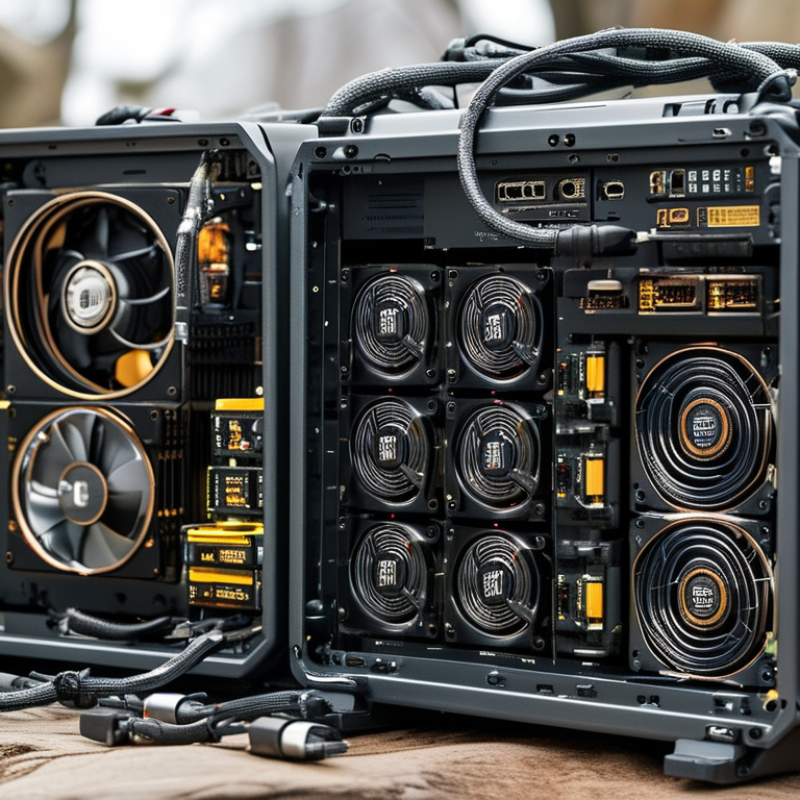
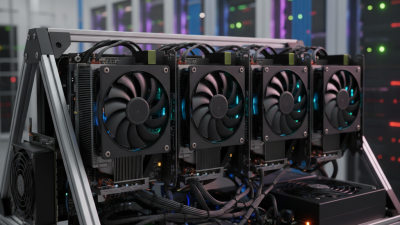
Another important specification is the cooling system. Effective cooling is vital for maintaining optimal performance. Machines can overheat, leading to reduced efficiency or even damage. Look for units that come with robust cooling solutions, such as fans or liquid cooling systems. The construction materials also matter. Durable components can ensure longevity under heavy usage. Weight and portability should be considered too. Some miners may need to relocate their setups frequently.
Hardware compatibility is another area to reflect upon. Not all bit mining machines work seamlessly with every mining pool. Check software compatibility before making a purchase. Remember, the initial investment is substantial. Balancing cost with performance can be tricky. Make sure to do thorough research. This ensures you make a choice that suits your needs while avoiding expensive mistakes.
Evaluating Power Efficiency and Cost-Effectiveness
When evaluating power efficiency and cost-effectiveness in bit mining machines, understanding the energy consumption is crucial. According to a recent report by the Cambridge Center for Alternative Finance, Bitcoin mining alone consumed around 106 terawatt-hours in 2021. This staggering figure highlights the need for efficient machines. Look for devices that offer a high hash rate per watt. Generally, machines with over 30 J/TH are considered efficient.
Cost-effectiveness also involves considering the initial investment and operating costs. The average cost of electricity varies drastically across regions. For example, miners in regions with electricity rates below $0.05 per kWh can gain a competitive edge. Furthermore, maintenance and possible downtime should not be overlooked. Regularly assessing operational efficiency can prevent unexpected costs.
Reflecting on the initial metrics is necessary. Many miners focus solely on hash rates, ignoring the long-term implications of power costs. A high-performing machine might not be efficient if its power consumption leads to excessive energy bills. Balancing performance, efficiency, and cost is essential in choosing the right bit mining machine for your specific needs.
Assessing Manufacturer Reputation and Customer Support
When selecting a bit mining machine, it's crucial to assess the manufacturer's reputation. An established manufacturer often has a track record of reliability and performance. Look for reviews from users. Positive feedback can indicate a solid reputation. Negative experiences can serve as red flags. Engaging with community forums may also reveal how responsive a manufacturer is to complaints.
Customer support is another key factor. A responsive support team can help resolve issues quickly. This is essential in a fast-paced mining environment. Evaluate the support options available. Are they reachable via email, phone, or live chat? Check their response times as well. Sometimes, manufacturers may promise great support but fail to deliver when you need assistance.
Consider the resources offered by the manufacturer. Do they provide guides, tutorials, or troubleshooting tips? These can be invaluable when setting up your mining rig. A lack of educational resources might suggest that the company is less invested in customer success. Therefore, assessing both reputation and support can help you make a well-informed decision.